Walking in Freedom

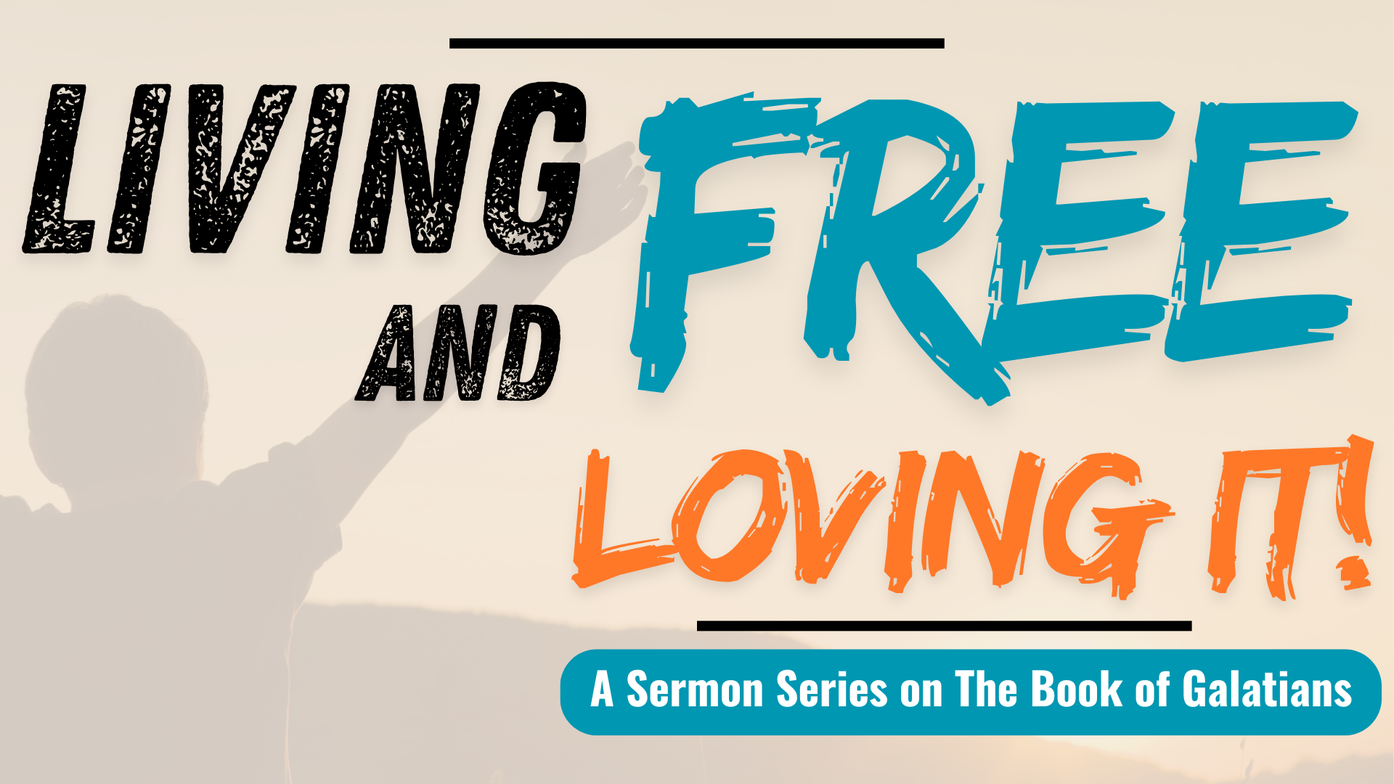
Freedom is something every person deeply desires. Whether it shows up in the stories we watch, the struggles we face, or the quiet longing we carry, the desire to be free is wired into us. Galatians chapter five speaks directly to that longing and offers a clear picture of what real freedom looks like and what it costs to keep it.
What Does True Freedom in Christ Actually Mean?
The book of Galatians has been described as the Magna Carta of evangelical Christianity. It is a declaration of religious freedom; a freedom found only in Jesus Christ. The overarching theme is the grace of God and how that grace frees us from law, legalism, fear of man, and evil desires.
Jesus Himself made this clear in Luke chapter four when He said He came to proclaim liberty to the captive and freedom to the oppressed. That is the heart of the gospel and the heart of Galatians.
Galatians 5:1 opens with a powerful statement: "For freedom Christ has set us free; stand firm therefore, and do not submit again to a yoke of slavery." - Galatians 5:1
Can You Lose Your Freedom in Christ?
Paul is clear that the freedom we experience in Jesus can be forfeited. It is available to everyone, but it is not guaranteed to be maintained. The choices we make either protect that freedom or give it away.
This does not mean freedom is earned. It means freedom requires responsibility. Just as civil freedom comes with laws and boundaries, spiritual freedom comes with guidelines that protect it.
True freedom is not the absence of rules. The world promotes the idea that real freedom means doing whatever you want, whenever you want, with whoever you want. But that is not freedom. That is bondage dressed up as liberty.
Freedom Requires Discipline
If you are going to experience and maintain the freedom God has for you, it will require something from you. Discipline is not the enemy of freedom. It is what protects it.
Paul uses the image of a race in Galatians 5:7: "You were running well. Who hindered you from obeying the truth?" - Galatians 5:7
He then shifts to a baking metaphor: "A little leaven leavens the whole lump." - Galatians 5:9
The point is simple. Small compromises have massive consequences.
Why Small Compromises Are More Dangerous Than Big Ones
It is not just the big sins that hinder freedom. It is the hundred small ones we repeat and justify every single day.
The moral failures that seem to come out of nowhere rarely do. They are the result of a hundred daily decisions that slowly moved someone away from God's path. The conversations that went a little too far. The content that was just a little too suggestive. The associations that pulled in the wrong direction.
Every person who experiences a significant moral fall got there through a long series of small compromises that nobody else saw. The secret to a life of freedom is found in those same daily battles, choosing rightly when no one is watching.
There are certain things that cannot be compromised. They are non-negotiable. Developing deep personal convictions, the things you will pound the table on, is essential to living free.
Your Freedom Is Not Just for You
Galatians 5:13 brings an important shift: "You were called to freedom, brothers. Only do not use your freedom as an opportunity for the flesh, but through love serve one another." - Galatians 5:13
The freedom God gives you is not just for your benefit. It is so you can help others experience that same freedom. If God has freed you from addiction, anxiety, depression, or any form of bondage, that testimony is meant to be shared. You are a living example that freedom is possible.
Do not use your freedom as an excuse to serve yourself. Use it as a platform to serve others.
Walking in the Flesh vs. Walking in the Spirit
Paul lays out two clear options in Galatians 5:16-18: "But I say, walk by the Spirit, and you will not gratify the desires of the flesh. For the desires of the flesh are against the Spirit, and the desires of the Spirit are against the flesh, for these are opposed to each other." - Galatians 5:16-17
You can pursue your own desires, or you can pursue God's desires. The problem is when people keep bouncing between the two. A person walking in two directions at once is impossible to follow and creates confusion for everyone around them.
Hypocrisy has done more damage to the cause of Christ than almost anything else. Praising God with your lips while your heart chases the flesh sends a mixed message that pushes people away rather than drawing them toward Jesus.
What Are the Works of the Flesh?
Paul lists the desires of the flesh and says they are obvious. Some of them include:
- Sexual immorality and impurity
- Sensuality (placing high value on personal pleasure and emotion)
- Idolatry (anything placed above God, whether a person, possession, or status)
- Sorcery (which in the original text connects to drug use and altered states)
- Hostility, strife, and anger
- Selfish ambition and rivalry
- Envy and dissension
- Drunkenness and the unrestrained pursuit of pleasure
These are not just ancient problems. Every single one of them is accessible today, often right from a phone, privately and instantly. Paul warns that these behaviors are incompatible with following Jesus and carry eternal consequences.
What Is the Fruit of the Spirit and How Do You Grow It?
In sharp contrast to the works of the flesh, Paul describes the fruit of the Spirit: "But the fruit of the Spirit is love, joy, peace, patience, kindness, goodness, faithfulness, gentleness, self-control; against such things there is no law." - Galatians 5:22-23
This fruit is not a list of spiritual gifts given to some and not others. It is a lifestyle description that should be evident in every believer's life. The difference between spiritual gifts and spiritual fruit matters here. Gifts are given to specific individuals. Fruit is available to all who follow Jesus.
Unfortunately, the church often celebrates gifted people while overlooking fruitful ones. Spectacular abilities draw attention, but quiet love, patience, and kindness draw people to Jesus.
Fruit does not appear automatically. It must be nurtured. Just as a seed needs tending to produce a harvest, the fruit of the Spirit needs to be developed through intentional practice and time with God.
Ask yourself: In what ways are you actively nurturing love, joy, peace, and patience in your life?
What Does It Mean to Keep in Step with the Spirit?
Paul closes the chapter with this: "If we live by the Spirit, let us also keep in step with the Spirit." - Galatians 5:25
Keeping in step with the Spirit is what discipleship looks like in practice. When the Spirit says move, you move. When the Spirit says stop, you stop. That kind of responsiveness only comes from being close to Him.
Discipleship is not a solo journey. It happens in community. Some basic marks of a disciple include:
- Regular Bible engagement
- Prayer
- Worship
- Service
- Generosity
- Missions and reaching others
If your walk with Jesus only happens on Sundays and only involves yourself, experiencing lasting freedom will be incredibly difficult. You cannot be fully discipled in isolation.
Life Application
This week, identify one area where you have been making small daily compromises. It might be what you watch, who you spend time with, what you say, or where your mind goes when no one is looking. Decide to draw a firm line in that area and commit to it for the next seven days. Share that commitment with one trusted person who can hold you accountable.
As you reflect on this message, consider these questions:
- Where in your life are you walking in two directions at once, claiming freedom in Christ while quietly pursuing the desires of the flesh?
- What small daily compromises have you been justifying that may be slowly pulling you away from freedom?
- Which fruit of the Spirit is most underdeveloped in your life right now, and what is one practical step you can take to nurture it this week?
- Is your freedom being used to serve others, or is it mostly being used to serve yourself?
- Are you close enough to the Holy Spirit to keep in step with Him, or has distance crept in?
The freedom you are looking for is found in Jesus. No matter where you have been or what you have done, His grace is available. "If we confess our sins, he is faithful and just to forgive us our sins and to cleanse us from all unrighteousness." - 1 John 1:9